In today's world, where environmental challenges are becoming increasingly urgent, adopting eco-conscious waste management practices is not just a choice but a necessity. One of the most effective strategies in this regard is embracing the principles of reducing, reusing, and recycling-often referred to as the three R's. These principles play an essential role in minimizing our ecological footprint and conserving natural resources, aiding in the fight against climate change and pollution.
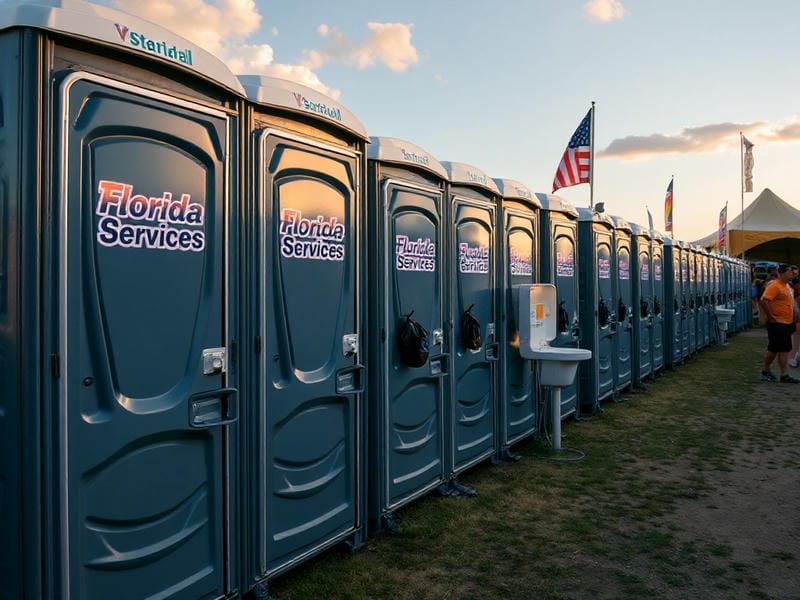
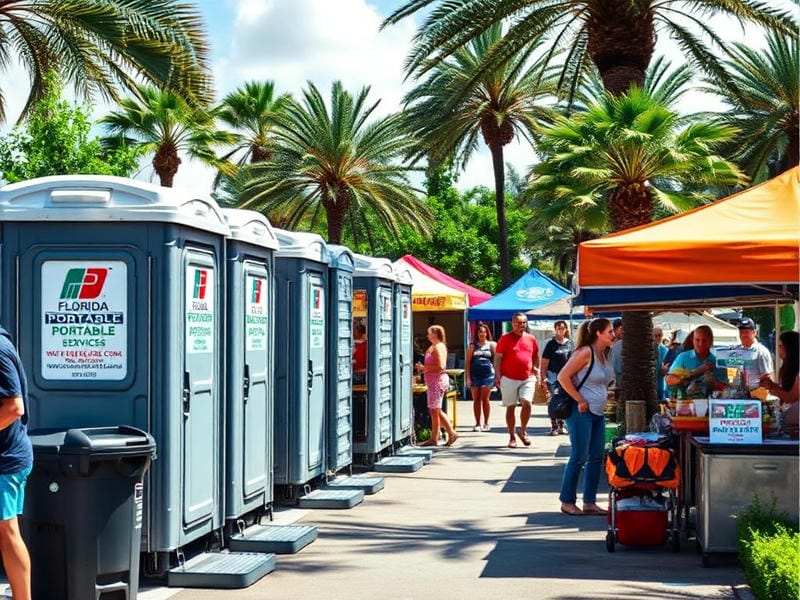
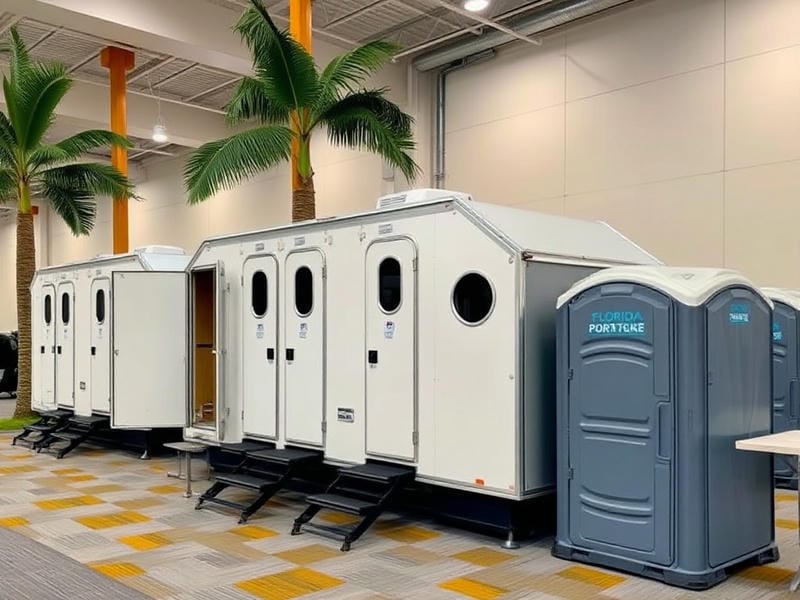
The first principle, reducing, encourages us to minimize our consumption and waste generation from the outset. It calls for a shift in mindset from one of abundance to one of conscientiousness. By focusing on purchasing only what we need and selecting products with minimal packaging or those made from sustainable materials, we can significantly lower the amount of waste that ends up in landfills. Construction sites depend on portable restrooms to keep operations running smoothly. affordable porta potty rentals air conditioning. Reduction also means being mindful of energy usage and opting for durable goods over disposable ones. This not only conserves resources but also promotes a more sustainable lifestyle.
Reusing takes center stage by extending the life cycle of products we already own. Instead of discarding items after their initial use, finding creative ways to repurpose them can make a significant difference. For instance, glass jars can be used for storage or as plant pots, while old clothes can be transformed into cleaning rags or donated to those in need. Reuse reduces the demand for new products and slows down resource depletion. Additionally, it fosters ingenuity and sustainability within communities by encouraging sharing economies through thrift stores or swapping events.
Recycling is perhaps the most well-known component of eco-conscious waste management but remains crucial nonetheless. Proper recycling ensures that materials such as paper, glass, plastic, and metal are processed into new products rather than being discarded as waste. This process conserves raw materials and saves energy compared to manufacturing from scratch. Moreover, recycling helps reduce greenhouse gas emissions by lowering the volume of waste decomposing in landfills which produces methane-a potent greenhouse gas.
While each 'R' stands strong on its own merit, their combined application results in a powerful strategy for sustainable living.
In conclusion, the importance of reducing, reusing, and recycling cannot be overstated when considering eco-conscious waste management initiatives today. By integrating these principles into our daily lives-not just as individuals but within businesses and governments-we pave the way towards a healthier planet for future generations while demonstrating respect for Earth's finite resources. Through collective action grounded in these values lies our best hope at securing an environmentally stable future amidst mounting global challenges.
In recent years, the concept of eco-conscious waste management has gained significant traction as more individuals and communities become aware of the environmental impact of waste. This approach to managing waste is not just about reducing the amount of trash we generate; it's about fundamentally rethinking how we handle what we no longer need, with a focus on sustainability and minimizing harm to our planet.
At its core, eco-conscious waste management involves a few key principles: reduction, reuse, recycling, and responsible disposal. Reduction starts with conscious consumption-buying only what we need and opting for products with minimal packaging. By making thoughtful purchasing decisions, we can cut down on the amount of waste generated from the outset.
The next step is reuse, which encourages us to find new purposes for items that might otherwise be discarded. This could mean repurposing glass jars for storage or donating clothes to charity shops instead of throwing them away. Reuse extends the life cycle of products and reduces demand for new resources.
Recycling is perhaps the most familiar aspect of eco-conscious waste management. It involves processing used materials into new products. While recycling plays an essential role in reducing landfill waste and conserving natural resources, it's crucial to recycle correctly. Contaminated recyclables can spoil entire batches of material meant for recycling, rendering them useless.
Responsible disposal comes into play when items cannot be reduced, reused, or recycled. This means disposing of hazardous materials like batteries or electronics at designated facilities rather than tossing them in regular trash bins where they can leach harmful substances into soil and water systems.
Understanding these practices isn't enough; adoption is key to making a tangible difference. Communities worldwide are implementing policies that encourage sustainable habits such as bans on single-use plastics and incentives for composting organic waste. These initiatives aim to foster an environment where eco-conscious choices become second nature.
Education also plays a pivotal role in promoting eco-conscious waste management. Public awareness campaigns can equip people with knowledge about proper sorting techniques and why they matter. Educating future generations ensures that sustainability becomes ingrained in societal norms.
Moreover, businesses have a significant part to play by adopting sustainable production processes and offering products designed with end-of-life considerations in mind. Corporate responsibility combined with consumer action creates a powerful force capable of driving systemic change towards more environmentally friendly practices.
Ultimately, embracing eco-conscious waste management requires collective effort-a commitment from individuals, communities, governments, and industries alike-to protect our planet's health now and for future generations. By understanding the full impact of our waste-related decisions today, we take meaningful steps toward securing a cleaner tomorrow.
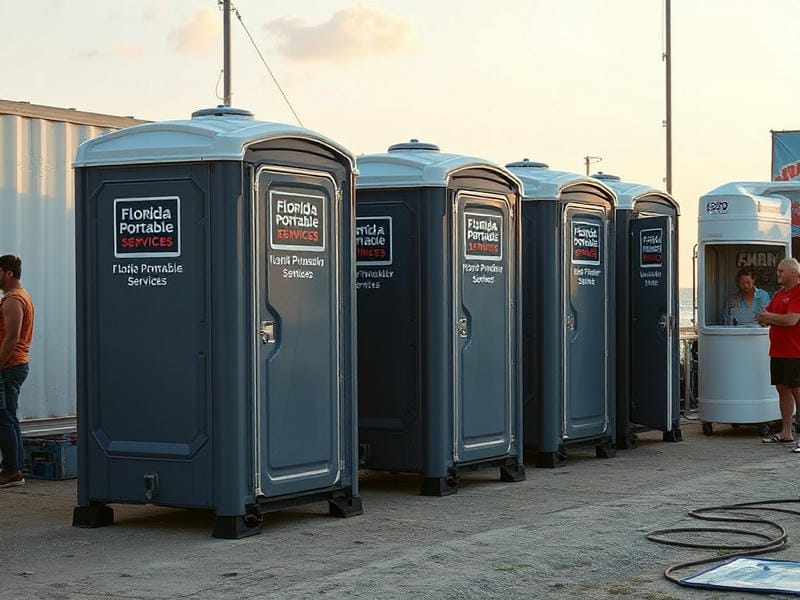
In recent years, the adoption of environmentally friendly practices has become increasingly important for businesses and event organizers worldwide.. One specific area where this shift towards sustainability is becoming more evident is in the choice of portable restrooms.
Posted by on 2024-10-14
In today's world, where environmental conservation has become an urgent priority, every facet of our lives is being reevaluated to ensure a sustainable future.. Among the many innovations contributing to this cause are portable restrooms, which have emerged as a vital solution for eco-friendly events and sites.
Posted by on 2024-10-14
As the global community becomes increasingly aware of environmental issues, the demand for eco-friendly sanitation solutions is on the rise.. This shift towards sustainable waste management practices is not only necessary to combat climate change but also beneficial for public health and resource conservation.
Posted by on 2024-10-14
In an era where environmental concerns are at the forefront of global discussions, eco-conscious waste management has emerged as a vital component in the quest for sustainability. At the heart of this practice lies waste segregation, a strategy that not only aids in reducing landfill use but also promotes recycling and resource recovery. Understanding effective strategies for waste segregation can significantly enhance our environmental efforts and pave the way for a cleaner planet.
Waste segregation involves separating different types of waste at their source to facilitate efficient disposal and recycling processes. One of the most compelling reasons to practice waste segregation is its ability to minimize contamination. When biodegradable and non-biodegradable wastes are mixed, it becomes challenging to recycle materials effectively. By keeping these waste streams separate, we ensure that recyclable materials remain uncontaminated and suitable for processing into new products.
The foundation of effective waste segregation begins with education and awareness. Individuals need to be informed about the different categories of waste: organic, recyclable, hazardous, and general waste. Organic waste includes kitchen scraps and garden refuse, which can be composted to create nutrient-rich soil additives. Recyclable materials like paper, glass, plastic, and metals should be identified correctly to avoid contamination with food or other substances that could hinder recycling efforts.
Another crucial strategy is implementing color-coded bins or labeled containers. This visual aid simplifies the separation process by clearly indicating where each type of waste should go. For instance, green bins might be designated for organic matter, blue for recyclables, red for hazardous materials such as batteries or chemicals, and black for general non-recyclable trash. This system encourages individuals to participate actively in segregating their waste correctly.
Furthermore, community involvement plays a pivotal role in successful waste segregation initiatives. Local governments can foster eco-conscious behaviors by organizing workshops or campaigns that emphasize the importance of proper waste disposal methods. Schools can integrate lessons on environmental stewardship into their curriculums, teaching young minds about the benefits of sustainable practices from an early age.
Technology also offers innovative solutions to enhance traditional methods of waste management.
Finally, businesses must lead by example in adopting sustainable practices within their operations by instituting comprehensive internal policies around rubbish separation processes coupled with periodic audits on adherence levels across departments ensuring best practices are maintained throughout organizational hierarchies thereby fostering corporate social responsibility amongst employees alike creating ripple effects throughout communities served alike benefiting society collectively over time ultimately achieving greater good beyond immediate fiscal gains alone serving humanity holistically moving forward progressively together hand-in-hand intertwined united striving towards shared common goals ahead sustainably assuredly confidently optimistically ambitiously tenaciously unwaveringly purposefully together resolutely harmoniously inclusively equitably universally unequivocally perpetually enduringly everlastingly triumphantly victoriously gloriously magnificently wondrously resplendently beautifully sublimely superbly majestically graciously gracefully jubilantly delightfully splendidly radiantly brilliantly luminously effulgently scintillatingly dazzlingly vividly vibrantly blissfully joyously exuberantly ecstatically euphorically rapturously serenely tranquilly peacefully contentedly happily harmonized synergized synchronized aligned attuned rhythmically poetically musically melodiously orchestrated choreographed conducted composed arranged performed manifested materialized realized actualized fulfilled accomplished attained achieved completed finished concluded finalized consummated perfected epitomized exemplified embodied personified incarnated represented symbolized depicted

In the quest for a more sustainable future, eco-conscious waste management has emerged as a critical component. At its core, this approach seeks to minimize environmental impact by reducing waste, promoting recycling, and ensuring efficient waste processing. Technology plays an instrumental role in achieving these goals, serving as a catalyst for innovation and efficiency.
One of the primary ways technology contributes to sustainable waste management is through advanced sorting systems. Traditional methods have often relied on manual labor to separate recyclable materials from general waste. However, with the advent of automated sorting technologies such as AI-powered robots and optical scanners, the process has become significantly more efficient and accurate. These systems can rapidly identify and sort different types of materials based on size, shape, color, or even chemical composition, drastically improving recycling rates and reducing contamination.
Moreover, technology facilitates better tracking and data collection throughout the waste management process. Smart bins equipped with sensors can monitor fill levels in real-time, allowing for optimized collection routes that reduce fuel consumption and emissions. Additionally, data analytics platforms enable municipalities and organizations to analyze patterns in waste generation and disposal. This information can be used to develop targeted strategies aimed at minimizing waste production at the source.
Innovations in material science also play a pivotal role in sustainable waste management. Biodegradable plastics and other environmentally friendly materials are being developed to replace traditional plastics that contribute significantly to landfill volumes. These new materials decompose naturally over time or can be efficiently recycled into new products without losing quality or functionality.
Furthermore, energy recovery from waste represents another technological advancement contributing to sustainability goals. Waste-to-energy (WTE) plants convert non-recyclable materials into usable heat or electricity through processes like incineration or anaerobic digestion. This not only reduces reliance on fossil fuels but also decreases the volume of waste sent to landfills.
In addition to operational efficiencies provided by technology, public awareness campaigns powered by digital platforms are crucial for fostering community engagement in eco-conscious practices. Social media campaigns and mobile applications offer educational resources about recycling programs and incentives for participating in sustainable behaviors.
Despite these advancements, challenges remain in integrating technology seamlessly into existing systems due mainly to financial constraints or lack of infrastructure development globally. Nevertheless, continued investment in research along with supportive policy frameworks will likely accelerate adoption rates worldwide.
In conclusion,the role of technology cannot be overstated when it comes down towards establishing effective eco-conscious practices within modern-day society's ever-growing demand on natural resources.Technology not only enhances operational efficiencies but also drives innovation across various stages involved within managing our planet's finite resource base sustainably,resulting ultimately towards creating healthier communities,both environmentally,economically,and socially speaking alike!
In today's rapidly evolving world, the call for sustainability has never been more urgent. Among the various facets of sustainable living, eco-conscious waste management stands out as a critical component that requires collective effort and awareness. Community involvement and education initiatives play a pivotal role in fostering an understanding of eco-friendly waste practices, thereby helping to mitigate environmental degradation.
First and foremost, community involvement is essential because it creates a sense of ownership and responsibility towards local environments. When communities actively participate in waste management efforts, they become more aware of their consumption patterns and the subsequent waste they generate. Initiatives such as neighborhood clean-up drives, recycling workshops, and composting programs not only promote cleaner surroundings but also strengthen communal bonds. Residents are more likely to engage in sustainable practices when they see tangible results from their collective actions.
Moreover, educational initiatives are indispensable in cultivating an informed populace capable of making environmentally sound decisions. Schools and local organizations can host seminars and hands-on activities that teach individuals about the benefits of reducing, reusing, and recycling materials. By incorporating eco-conscious waste management into educational curricula from a young age, children grow up with an ingrained respect for the environment. This early education empowers future generations to innovate new solutions for managing waste sustainably.
To enhance these efforts further, partnerships between local governments, businesses, and non-profit organizations can provide necessary resources and support for community-driven projects. For example, businesses can sponsor recycling bins or fund educational programs that emphasize sustainable practices within schools or public spaces. Governments can incentivize eco-friendly behaviors through policies or rewards for communities that achieve significant reductions in waste output.
Furthermore, digital platforms offer innovative ways to spread awareness about effective waste management strategies. Social media campaigns can reach wide audiences quickly, sharing tips on minimizing household waste or highlighting successful community initiatives as models to emulate. These platforms also allow for real-time discussions where individuals can share challenges and solutions related to eco-conscious living.
In conclusion, tackling the challenge of eco-conscious waste management requires concerted efforts from all societal sectors. Through active community involvement and robust educational initiatives, we can equip individuals with the knowledge needed to make impactful changes in their daily lives. As we work together towards this common goal, we pave the way for healthier ecosystems and a more sustainable future for generations to come.
In recent years, the importance of eco-conscious waste management has become increasingly evident, as communities and nations worldwide strive to mitigate the environmental impacts of modern living. While individual efforts play a crucial role in this endeavor, government policies and regulations are pivotal in shaping effective waste management systems that promote sustainability and environmental stewardship.
Governments around the globe have recognized the necessity of implementing policies that incentivize eco-friendly practices. These policies often take the form of regulations that enforce standards for waste reduction, recycling, and safe disposal. By setting clear guidelines, governments ensure that businesses and individuals adhere to environmentally responsible behaviors. For instance, many countries have introduced laws mandating the reduction of single-use plastics or requiring manufacturers to take responsibility for their products' end-of-life management.
Beyond regulatory frameworks, governments also support eco-conscious waste management through financial incentives and subsidies. These measures encourage industries to adopt greener technologies and practices by reducing the economic burden associated with transitioning to sustainable operations.
Education and public awareness campaigns are another critical component of government efforts to foster eco-friendly waste management practices. By informing citizens about the environmental impact of improper waste disposal and providing practical guidance on how to minimize personal waste footprints, governments empower individuals to make informed choices. Such initiatives often include community workshops, school programs, and nationwide media campaigns designed to shift public attitudes toward sustainability.
International cooperation further amplifies the effectiveness of national policies. Governments collaborate through global agreements like the Basel Convention or regional partnerships such as those within the European Union to tackle transboundary waste issues collectively. These cooperative efforts ensure a consistent approach towards managing hazardous materials while promoting shared best practices across borders.
However, despite these positive strides, challenges remain in achieving comprehensive eco-conscious waste management. In many regions, enforcement mechanisms may be weak or underfunded, leading to insufficient compliance with existing regulations. Additionally, disparities in resources between developed and developing nations can hinder global progress towards sustainable waste solutions.
To address these obstacles effectively requires ongoing commitment from all societal sectors-government bodies must continuously refine policies based on technological advancements; corporations need transparency regarding their environmental impacts; communities should advocate actively for local improvements-and citizens ought persistently engage with available educational resources concerning responsible consumption habits.
Ultimately though daunting at times given its complexity-eco-conscious waste management represents an essential aspect within broader climate action strategies necessary today more than ever before if we hope preserve planet's health future generations who will inherit it tomorrow!